

Investing in precious metals feels like uncovering hidden gems that shine bright. Gold holds the crown, shining as a symbol of wealth and safety for hundreds of years. Recently, silver, platinum, and palladium stepped into the spotlight with growing popularity. People looking to mix up their investments and protect money during shaky times face the tough choice: gold or these other metals? Silver, called the “poor man’s gold,” gives a cheaper way to keep value. Each metal tells its own story and glows with unique traits that can improve chances of protecting money. Wonder which metal fits your goals best? Keep reading to reveal secrets about precious metals and why smart investors trust them so much.
The Allure of Gold
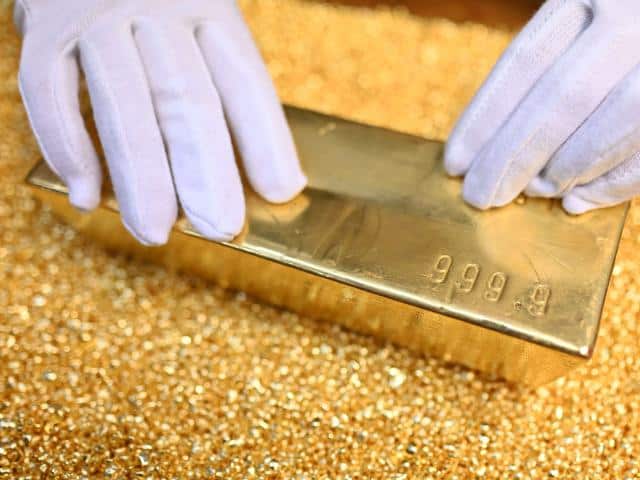
Gold has a rich history that spans civilizations and cultures. From ancient Egypt’s burial tombs to modern-day central banks, the metal’s enduring allure lies in its intrinsic value, scarcity, and cultural significance. Throughout history, gold has maintained its value and acted as a hedge against inflation and currency fluctuations. Investors often turn to gold during times of economic turmoil, as its price tends to rise when traditional markets falter.
Gold’s unique properties make it a sought-after metal for both industrial and ornamental purposes. Its malleability, conductivity, and resistance to corrosion have led to its use in electronics, aerospace, and even medical applications. Moreover, gold’s aesthetic appeal has cemented its role in jewelry and artistic creations.
Silver: The Versatile Sibling
Often referred to as “poor man’s gold,” silver has its own set of attributes that make it a compelling investment option. While silver shares some similarities with gold, such as its historical significance and use in jewelry, it also boasts unique industrial applications. Silver’s exceptional conductivity makes it a crucial component in the production of solar panels, electronics, and medical devices. As the world moves toward renewable energy sources, silver’s demand in the solar industry is expected to soar, potentially impacting its investment value.
Unlike gold, which is primarily hoarded as a store of value, silver is subject to greater demand fluctuations driven by industrial needs. This dual nature can make silver’s price more volatile, presenting both opportunities and risks for investors. During economic upswings, silver may outperform gold due to its industrial demand, while during downturns, its price could be more vulnerable.
Platinum: The Industrial Powerhouse
Platinum’s rarity and remarkable properties have earned it a reputation as a noble metal. While not as well-known as gold or silver, platinum plays a vital role in various industries. Its high melting point, corrosion resistance, and catalytic properties have made it indispensable in automobile catalytic converters, which reduce harmful emissions. As global emissions standards tighten, the demand for platinum in the automotive sector is expected to remain robust.
Investing in platinum, however, comes with its own set of considerations. The metal’s limited availability and concentrated production in a few countries can result in supply disruptions and price volatility. Additionally, platinum’s value is closely linked to economic conditions, particularly in industries like automotive manufacturing and jewelry, which can lead to price fluctuations.
Palladium: The Unforeseen Star
Palladium, once a byproduct of platinum mining, has emerged as one of the most intriguing precious metals for investors. Like platinum, palladium’s catalytic properties make it crucial in reducing harmful emissions from vehicles. As environmental regulations tighten globally, demand for palladium continues to rise, driving its price upwards.
Palladium’s unique market dynamics have led to dramatic price fluctuations, capturing the attention of investors seeking high-risk, high-reward opportunities. However, this volatility also underscores the importance of thorough research and careful consideration before investing in palladium.
Conclusion: Navigating the Precious Metals Landscape
When it comes to investing in precious metals, gold remains the stalwart choice for wealth preservation and stability. Its historical significance, cultural appeal, and ability to weather economic uncertainties make it a cornerstone of many investors’ portfolios. Silver, platinum, and palladium, on the other hand, offer distinct opportunities and challenges that can enhance portfolio diversification.
As you contemplate your investment choices, consider your risk tolerance, investment horizon, and overall financial goals. While the allure of silver’s industrial applications, platinum’s role in emissions reduction, and palladium’s potential for substantial gains may be enticing, a well-rounded portfolio could include a combination of these precious metals. For more information or to read all about gold ira, you may visit their page to learn more.
Diversification remains key, as a balanced allocation across different metals can help mitigate risks associated with price fluctuations and supply disruptions. By staying informed about market trends, conducting thorough research, and seeking guidance from financial professionals, you can make well-informed investment decisions that align with your financial objectives and pave the way for a prosperous future. Whether you choose gold, silver, platinum, palladium, or a mix of these metals, the precious metals landscape holds a world of potential for the savvy investor.